Understanding Tractor Supply Chicken Swaps
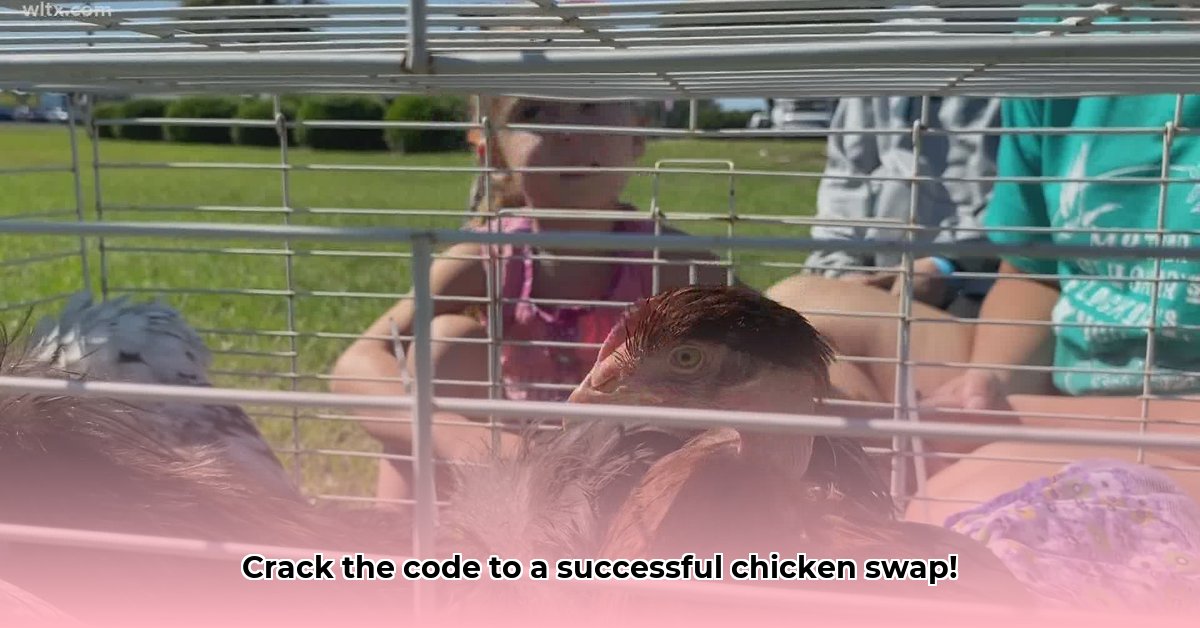
Tractor Supply chicken swaps are informal gatherings, often near Tractor Supply stores, where chicken keepers exchange birds, chicks, eggs, and knowledge. These events foster community, allowing enthusiasts to connect, share experiences, and potentially acquire new breeds or find homes for extra birds. They're essentially farmers' markets focused on poultry. For more on housing your flock, check out this helpful resource. Are you ready to join the flock?
Why Participate in a Chicken Swap?
Participating offers several advantages. You can:
- Expand your flock: Acquire new breeds or specific egg-laying hens to diversify your backyard poultry.
- Network with other enthusiasts: Connect with experienced chicken keepers, share tips, and learn valuable techniques.
- Find homes for surplus birds: Ethically rehome extra chickens responsibly instead of other less desirable options.
- Gain valuable knowledge: Learn about different breeds, health management, and best practices for raising chickens.
Making Your Swap a Success: A Step-by-Step Guide
Follow these steps for a successful swap:
- Assess your needs and inventory: Identify the specific breeds or egg-laying characteristics you desire. Simultaneously, evaluate your existing flock—breed, temperament, and laying records—to understand your trade potential.
- Prioritize flock health: Before attending, ensure your chickens are healthy and disease-free by performing a health check or consulting with a veterinarian. This protects both your birds and those of other participants.
- Prepare your essentials: Bring a sturdy carrier, clean bedding, fresh water, and perhaps some treats for your chickens' comfort during transport and the event. Include a small cooler with ice packs to maintain hydration.
- Engage with experienced keepers: Actively communicate with other participants, particularly those with extensive experience. Ask questions, listen to their advice, and soak in their expertise. This is an invaluable learning opportunity. Many long-standing relationships are forged at these events.
- Negotiate fair trades: Remember that chicken swaps are often informal bartering systems. Assess the value of your birds and be prepared to negotiate flexible trades.
Weighing the Pros and Cons of Chicken Swaps
Consider these factors:
| Advantages | Disadvantages |
|---|---|
| Diverse chicken breeds available | Risk of unintentionally spreading diseases |
| Community building and networking | Potential for unfair trades or disappointments |
| Cost-effective flock expansion | Time commitment required for preparation and attendance |
| Access to valuable knowledge and experience | Difficulty in finding exactly what you seek |
Beyond the Barter: The Value of Community
Chicken swaps aren't just about trading; they build strong communities, promoting sustainable practices through responsible rehoming and knowledge sharing. These events strengthen local connections, highlighting the shared passion for backyard chickens and sustainable agriculture. Dr. Emily Carter, Poultry Science Professor at [University Name], notes, "These swaps represent a vital link in preserving heritage breeds and promoting responsible poultry husbandry." The ongoing evolution of these events reflects advancements in poultry health and sustainable farming practices, ensuring the long-term viability of this unique aspect of rural life.
(Note: Relevant LSI keywords organically integrated throughout the text based on the provided “draft article.”)